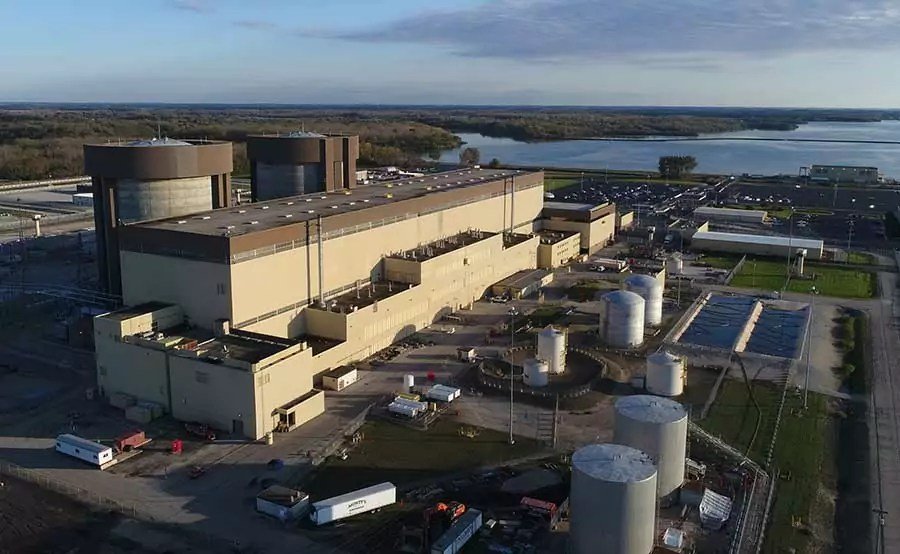
The Braidwood Nuclear Generating Station stands as a critical energy provider for millions in Illinois, yet its operations have also placed it at the center of significant community concerns, notably a lawsuit regarding tritium releases. Located in Will County, northeastern Illinois, this facility not only powers homes and businesses across Chicago and northern Illinois but also navigates the complex landscape of environmental stewardship, public safety, and continuous operational demands. Understanding Braidwood means looking beyond its impressive output to the intricate balance it strikes within its surrounding environment and communities.
This comprehensive overview will guide you through the station's history, technological advancements, safety protocols, and its ongoing relationship with the community, especially in light of past environmental challenges.
Powering Illinois: The Genesis and Evolution of Braidwood
The Braidwood Nuclear Generating Station began its journey under Commonwealth Edison before transitioning through Exelon Corporation and now operates under Constellation Energy. It's home to two Westinghouse pressurized water reactors, essential components in delivering a steady supply of electricity to a vast and growing population. Unit #1 came online in July 1987, followed by Unit #2 in May 1988, marking the plant's entry into service. These reactors were initially licensed for decades of operation, with extensions now securing their future until 2046 and 2047, respectively.
Over the years, Braidwood has undergone significant enhancements, including two power uprates in May 2001 and February 2014. These upgrades have boosted its capacity, making it the largest nuclear plant in Illinois, generating a net total of 2,386 megawatts. This output surpasses even other major state facilities like the LaSalle County Nuclear Generating Station and the Byron Nuclear Generating Station. To delve deeper into its origins and ongoing contributions to the state's energy grid, you can Discover Braidwood Nuclear Station.
At the Core: Understanding Nuclear Reactor Technology
At the heart of Braidwood's operations are its two Westinghouse pressurized water reactors. This advanced technology is designed to generate electricity efficiently and reliably, making it a cornerstone of base-load power generation. The continuous advancements in reactor design and operational best practices ensure that facilities like Braidwood maintain high levels of performance and safety.
These systems are complex, involving sophisticated engineering and stringent regulatory oversight to ensure their safe and effective operation. From fuel management to power conversion, every aspect is meticulously managed. For a more detailed understanding of how such powerful facilities function and the technology behind them, Explore nuclear reactor technology Learn about.
Environmental Vigilance: Addressing Tritium Concerns and Safety
The Braidwood Nuclear Generating Station's operations, while crucial for energy, have also brought environmental scrutiny. A notable instance occurred in 2006 when Exelon, the operator at the time, faced a lawsuit from Will County residents and the state's attorney. The contention revolved around alleged releases of radioactive tritium into local water sources. While the U.S. Nuclear Regulatory Commission (NRC) concluded that these releases did not pose a threat to human health or safety, and the Illinois EPA confirmed tritium levels were below action thresholds of 20,000 picoCuries per liter, the event underscored the critical need for transparency and trust in nuclear power operations.
In response to the community's concerns, Exelon committed to providing bottled water to residents of Godley and those within 1500 feet of the blowdown line connecting to the Kankakee River. This incident highlights the ongoing commitment to environmental responsibility and the measures taken to address public concerns, even when official assessments deem levels safe. Understanding the rigorous measures and continuous monitoring in place is vital for appreciating how nuclear facilities manage their environmental footprint and ensure public well-being. To learn more about the strict guidelines and practices governing nuclear facilities, Explore environmental safety protocols.
Community and Economic Contributions in a Growing Region
The presence of the Braidwood Nuclear Generating Station extends beyond just electricity generation; it's an integral part of the regional economy and community fabric. Supplying power to Chicago and northern Illinois, it supports the vast energy needs of a densely populated and economically vibrant area. The surrounding communities, including Joliet and parts of Aurora and Naperville, fall within the station's 50-mile ingestion pathway zone, impacting millions of residents. The 2010 U.S. population within 10 miles of Braidwood was 33,910, reflecting a 6.5% increase in a decade, and within 50 miles, it was nearly 5 million, indicating significant growth.
This underscores the plant's substantial role in sustaining the infrastructure and quality of life for a large segment of Illinois. Beyond direct employment, the station contributes through taxes, local spending, and providing a stable power supply that underpins regional development. Discover more about the multifaceted influence of such facilities on their local areas by examining Explore economic and community impact.
Ensuring Preparedness: Emergency Planning and Public Safety
Public safety is paramount for any nuclear facility, and Braidwood Nuclear Generating Station adheres to stringent emergency planning protocols established by the NRC. These plans define two primary emergency planning zones: a plume exposure pathway zone, extending approximately 10 miles (16 km) around the plant for airborne radioactive contamination, and an ingestion pathway zone, covering a 50-mile (80 km) radius for potential contamination of food and liquid. These zones encompass significant populations, with nearly 34,000 people living within the immediate 10-mile radius and almost 5 million within the 50-mile ingestion pathway zone as of 2010.
In addition to radiological safety, other potential risks are continuously assessed. An NRC study in August 2010, for example, estimated the annual risk of an earthquake intense enough to cause core damage at Braidwood to be approximately 1 in 136,986. These assessments inform comprehensive emergency response strategies, ensuring that communities and authorities are prepared for any eventuality. Understanding these preparations is key to feeling secure about the operations of a nuclear plant. To gain insight into these critical safety measures and what they mean for local residents, refer to the Emergency planning guide Prepare for emergencies.
Moving Forward with Braidwood
The Braidwood Nuclear Generating Station embodies the complex, yet vital, role of nuclear power in contemporary society. It's a powerhouse for Illinois, a technological marvel, and a point of community discussion and scrutiny. While past challenges like the tritium lawsuit highlight the constant need for vigilance and transparent communication, the facility continues to operate under rigorous oversight, contributing significantly to the region's energy needs. As Braidwood looks towards decades of continued operation, its commitment to safety, environmental responsibility, and community engagement remains central to its mission.